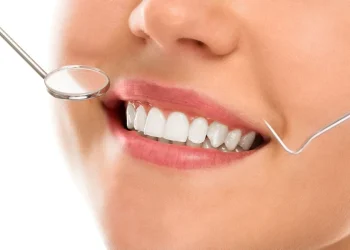
You may have put off a dental visit because life got busy, money felt tight, or the problem did not seem serious enough yet. Then the small things start adding up. You chew on one side. You avoid smiling in photos. Cold drinks sting. A chipped tooth keeps catching your lip. If you are looking for a dentist in Gramercy Park and Kips Bay, none of that sounds dramatic, but it wears on you day after day.
That is where general and cosmetic dentistry work best together. One protects your health, the other restores comfort and confidence, and both shape how you eat, speak, sleep, and feel around other people. When care covers both function and appearance, you are not just fixing teeth. You are making daily life easier.
General and cosmetic dental care support health and confidence at the same time
People often separate cleanings and fillings from whitening or veneers, as if one side is necessary and the other is optional. Real life is not that neat. A healthy mouth affects your whole body, and appearance affects behavior. If your teeth hurt or feel unstable, you may avoid certain foods. If you are embarrassed by stains, gaps, or worn edges, you may speak less, laugh less, and hide your smile without even noticing it.
The science behind oral health is clear. The CDC explains the basics of oral health and how common dental disease can affect daily function. The National Institute of Dental and Craniofacial Research also highlights the link between a healthy mouth and a healthy body. Your mouth is not separate from the rest of you.
General and cosmetic dentistry often overlap in ways patients feel immediately. A crown can protect a weak tooth and improve its shape. Bonding can repair a chip and make your smile look even again. Orthodontic treatment can straighten teeth, which may also make them easier to clean. That mix of health and appearance is what improves quality of life.
Pain relief and prevention make everyday routines easier
The first improvement is simple. You feel better. General dental care catches cavities, gum problems, cracked teeth, and bite issues before they become bigger and more expensive. When those issues go untreated, routine things become draining. Eating feels cautious. Brushing hurts. Sleep gets interrupted by throbbing pain that seems to get louder at night.
Cosmetic treatment can help here too. A worn tooth restored with a crown or veneer may stop sensitivity. Reshaping uneven edges can reduce irritation. Replacing missing teeth can stabilize your bite so your jaw does not work overtime. You are not just getting a nicer smile. You are getting relief that changes how your day feels.
Better chewing and speaking protect nutrition and social ease
Missing, broken, or misaligned teeth can make eating frustrating. You may start avoiding crunchy fruit, meats, nuts, or other foods that take effort to chew. Over time, that can limit nutrition and enjoyment. The CDC notes that tooth loss affects much more than appearance, including speaking and eating.
Restorative care such as fillings, crowns, bridges, and implants often sits at the center of a cosmetic and general dental care plan. These treatments restore structure, but they also improve how your smile looks. If you have ever covered your mouth while talking because of a missing front tooth, you already know the emotional weight of that problem. Fixing it changes meals, conversations, and confidence all at once.
A stronger smile can change how you show up in the world
This is the part many people downplay, even when it affects them every day. If you dislike your smile, you may hold back in subtle ways. You smile with your lips closed. You avoid video calls. You hesitate during introductions. That can shape first impressions, work interactions, and even close relationships.
Cosmetic improvements such as whitening, bonding, veneers, or clear aligners are not about chasing perfection. They are often about removing the one thing that keeps pulling your attention. Once that distraction is gone, people tend to smile more naturally and speak more freely. A general and cosmetic dentist can help you improve appearance without ignoring the health issues underneath.
Combined care often saves time, money, and future stress
When health and appearance are planned together, treatment tends to be more efficient. A patient with gum disease who wants veneers may need periodontal care first. Someone asking for whitening may first need cavities treated. Handling problems in the right order prevents wasted money and poor results.
It also reduces the cycle many patients know too well. You fix one issue, ignore another, then end up back in the chair with a larger problem. Coordinated care helps you avoid patchwork decisions. That matters if you are balancing work, family, insurance limits, and the stress of repeated appointments.
Professional dental care compared with waiting it out
| Situation | Waiting or covering it up | Professional care |
|---|---|---|
| Tooth sensitivity | Avoids cold foods, may worsen if decay or cracks deepen | Finds the cause and treats it with fillings, bonding, fluoride, or restorations |
| Chipped or worn teeth | Can become rough, weak, or more visible over time | Repairs function and appearance with bonding, crowns, or veneers |
| Missing teeth | Chewing gets harder, nearby teeth may shift, confidence often drops | Restores bite and smile with bridges, dentures, or implants |
| Stained or uneven smile | Often leads to hiding your smile in social or work settings | Improves confidence through whitening, contouring, aligners, or veneers |
| Skipping routine exams | Small issues can turn into painful and costly treatment later | Supports prevention and early treatment with less disruption |
Small steps can move you from frustration to progress
1. Write down what bothers you most. Be specific. Is it pain, staining, bad breath, a missing tooth, or avoiding photos? That list helps prioritize what needs health treatment first and what can be improved cosmetically after.
2. Book a full exam instead of chasing one quick fix. If you only ask for whitening when a cracked filling is the real issue, you delay the care that matters. A full evaluation gives you a plan that supports both function and appearance.
3. Ask for phased treatment. Many people assume they must do everything at once. You usually do not. Start with urgent needs, then space out cosmetic improvements in a realistic timeline that fits your budget and schedule.
Better oral health and a better smile can work together
You do not need to choose between health and confidence. The best outcomes usually include both. When your teeth are healthy, comfortable, and easier to use, life feels less restricted. When your smile looks like you again, you stop thinking about it so much and start using it.
If you have been living with discomfort, self-consciousness, or a dental issue that keeps getting pushed aside, now is a good time to take the first step. Reach out to a trusted dental office and ask about a plan that combines general care with cosmetic treatment.