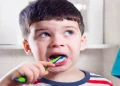
You already have enough to keep track of. Meals, school forms, bedtime, screen time, the missing shoe that somehow disappears every morning. Kids’ teeth can slip into the background until there is a complaint, a bad dental checkup, or a surprise cavity that leaves you feeling guilty and frustrated. That feeling is common, and it does not mean you are falling short. If you need support, a dentist in Alexandria, VA can help you get your child’s dental care back on track.
Daily dental care for children usually comes down to a few repeat issues. Brushing gets rushed, flossing feels like a fight, sugary snacks sneak in, and water somehow loses every battle to juice boxes and sports drinks. The good news is that small habits do more than perfect intentions. A steady routine at home, plus support from a family dentist, gives your child a much better shot at strong teeth and fewer problems later.
Daily habits shape children’s oral health more than occasional effort
Tooth decay does not usually start with one big mistake. It builds slowly. Plaque forms on teeth, sugars feed bacteria, acids wear down enamel, and what looked like a small issue turns into a cavity. The tooth decay process explained by the National Institute of Dental and Craniofacial Research breaks this down clearly, and it helps to know that early damage can sometimes be slowed or reversed when habits improve soon enough.
That is why daily support matters so much. Children do not always have the focus, hand skills, or patience to clean their teeth well on their own. A seven year old may swear they brushed for two minutes, then you look in the sink and the toothbrush is barely wet. A tired child at night may cry, stall, or bargain for skipping one brushing. One missed night is not the whole story, but a pattern of rushed care adds up fast.
Kids’ dental health tips work best when they fit real family life. You do not need a perfect chart on the fridge or a bathroom routine that looks peaceful every night. You need a system your child can repeat, and one you can actually enforce when everyone is tired.
Five practical ways parents can protect kids’ teeth every day
First, make brushing nonnegotiable, twice a day, with help that matches your child’s age. Young children need hands-on help, not just reminders shouted from the hallway. Use a soft toothbrush, a fluoride toothpaste, and stay involved until your child can brush well without missing the gumline, back teeth, and chewing surfaces.
Second, start flossing once teeth touch. This is one of the easiest steps to delay because it feels harder and takes longer, especially with a squirmy child. Cavities often form between teeth where a brush cannot reach. Floss picks can make this easier for some families, though regular floss works fine too.
Third, watch the drink routine as closely as the snack routine. Sipping juice, soda, flavored milk, or sports drinks over long periods gives sugar and acid more time on the teeth. Water is the safer default between meals. The CDC’s oral health tips for children also points parents toward fluoride and sealants, both of which can help protect teeth from decay.
Fourth, create snack structure instead of constant grazing. Crackers, fruit snacks, cookies, and sticky treats can hang around on teeth long after snack time ends. Offering food at set times gives the mouth a chance to recover. Cheese, yogurt, apples, and crunchy vegetables are often easier on teeth than sticky sweets that linger.
Fifth, keep regular dental visits in place even when nothing seems wrong. Pain is a late sign. A family dentist can spot weak areas, teach brushing technique, apply sealants when needed, and catch small problems before they become expensive ones.
Simple daily choices can lower cavity risk
| Daily habit | Higher risk pattern | Lower risk pattern | Why it matters |
|---|---|---|---|
| Brushing | Quick, unsupervised brushing | Two minutes, twice daily, parent check or help | Removes plaque before it feeds decay |
| Flossing | Skipped until a problem appears | Daily once teeth touch | Cleans between teeth where cavities often start |
| Drinks | Frequent juice or sweet drinks | Water between meals | Reduces sugar and acid exposure |
| Snacking | All day grazing on sticky snacks | Set snack times with tooth-friendlier foods | Gives enamel time to recover |
| Dental visits | Waiting for pain | Routine checkups | Finds issues early and supports prevention |
If you want a broad, reliable overview of child dental health from MedlinePlus, it covers brushing, fluoride, diet, and common concerns in a clear way. That kind of trusted guidance can help when online advice starts to blur together.
Three steps you can take today to support children’s oral health
1. Tighten the bedtime routine. Put brushing before the child is too tired to cooperate. If needed, move it earlier, right after pajamas. Nighttime brushing matters because teeth stay coated longer when kids go to sleep without cleaning away the day’s food and plaque.
2. Change one drink habit this week. You do not need to overhaul everything at once. Pick the most frequent sugary drink and replace it with water once a day. That single change is often easier to keep than a full ban your child will fight.
3. Check your child’s technique, not just completion. Many parents ask, “Did you brush?” and get a quick yes. Watch once a day instead. Look for small circles along the gumline, brushing of back molars, and enough toothpaste with fluoride. This is one of the most practical forms of daily dental care for children because it catches the gap between doing the task and doing it well.
Consistent support matters more than perfect parenting
You do not need flawless routines to protect your child’s teeth. You need repeatable ones. A few steady habits, done most days, can prevent pain, missed school, and treatment that costs more than anyone wants to deal with. If your current routine feels messy, that is normal. Start with one fix, keep it going, then add the next.
When you need extra support, a family dentist can help you build a plan that fits your child’s age, habits, and risk for cavities.