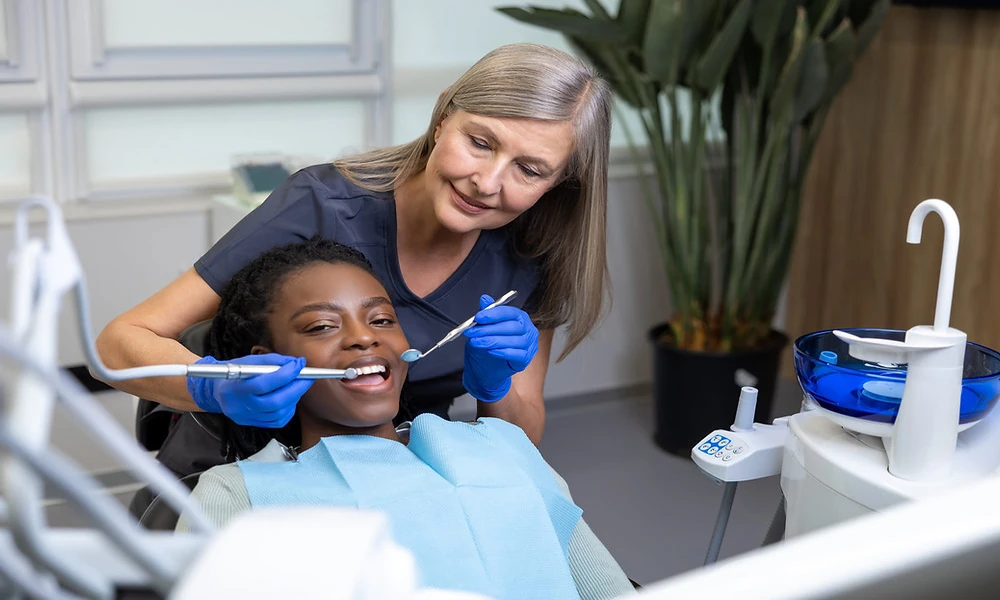
You might be feeling a little guilty every time you delay a checkup or ignore that small twinge in a tooth. Life is busy, and routine dental appointments are easy to push aside, especially when nothing feels “urgent.” Then one day you notice your child is nervous about their first cavity, or you wake up with a sore jaw, or a parent needs help with dentures and you start looking for ways to restore your smile with custom dentures in Covina, and you realize oral health touches every season of life in different ways.end
Because of this, you may be wondering if there is one trusted place that can watch over your family’s teeth from the toddler years through retirement. That is exactly where general dentistry comes in. A general dentist acts as a long term partner for your mouth. They help prevent problems, catch issues early, and guide you through treatment options so your smile can stay strong, functional, and confident over the years.
In simple terms, here is the idea. Regular care with a general dentist protects you from many common problems, makes treatment easier and less costly when something does go wrong, and supports your overall health, not just your teeth. You do not need to have perfect habits to benefit. You just need a realistic plan and a team that understands what your mouth needs at each age.
Why does general dentistry matter so much at every age?
Think about how different your teeth are at age 6, 26, and 76. A child is learning to brush and might be anxious about the chair. A busy adult may snack at a desk all day and clench their teeth from stress. An older adult might be taking medications that dry the mouth and raise the risk of decay. The mouth keeps changing, which means your care needs change too.
That is the first challenge. It is easy to assume that if you are not in pain, your mouth is fine. Yet research shows that tooth decay is still one of the most common chronic conditions worldwide. The National Institute of Dental and Craniofacial Research shares data on how widespread cavities are across all ages, from children to seniors, which you can explore in their dental caries statistics. Many of these problems grow quietly for months or years before they hurt.
The second challenge is emotional. Dental anxiety is very real. Maybe you had a rough experience as a child, felt judged about your teeth, or worry about being told you “should have come in sooner.” That fear often leads to more delay, which then leads to bigger problems. It is a hard cycle to break.
Then there is the financial side. Preventive care might feel like “another bill” during a tight month. Yet when small issues are ignored, they can turn into infections, root canals, or extractions, which cost more money, more time, and much more stress.
So where does that leave you? It leaves you needing care that feels safe, respectful, and realistic. A family general dentist is trained to manage this mix of physical, emotional, and financial concerns for patients at every age.
How does a general dentist support you through life’s stages?
Think of a general dentist as your primary care doctor for your mouth. They see the big picture and coordinate what you need. This often includes:
For children and teens
Children’s mouths change quickly. A general dentist:
• Monitors how baby teeth fall out and adult teeth come in. • Uses cleanings and sealants to lower the risk of cavities. • Teaches brushing and flossing in a calm, age appropriate way. • Spots signs of early orthodontic needs and refers if needed.
Imagine a 7 year old who snacks often and rushes brushing. Small cavities might not hurt yet, but they are forming. Regular visits allow those tiny spots to be treated with simple fillings instead of more complex work later.
For adults
As an adult, you might deal with coffee stains, grinding from stress, or old fillings that are starting to wear. A general dentist:
• Cleans away buildup that brushing cannot remove. • Checks for gum disease, early decay, and cracks. • Helps with night guards for clenching or grinding. • Plans fillings, crowns, or replacement teeth when needed.
Picture a 35 year old who has skipped visits for a few years. They feel fine. A general exam reveals early gum disease and a cracked filling. With timely care, the gums heal and the tooth is protected, avoiding an emergency later on.
For older adults
In later life, oral health connects closely with general health. The CDC’s oral health overview explains how conditions like diabetes and heart disease can be linked with gum health. A general dentist:
• Manages dry mouth from medications. • Monitors wear, recession, and root cavities. • Helps with partials, dentures, or implants to keep chewing comfortable. • Screens regularly for oral cancer and other concerns.
Consider a 72 year old who has lost several teeth and struggles to eat certain foods. With a thoughtful plan for dentures or other replacements, chewing becomes easier, nutrition improves, and daily life feels less restricted.
What are the real tradeoffs of “waiting it out” versus regular care?
You might still be wondering whether it really matters if you go every six months, or if you can wait until something hurts. It can help to see the contrast clearly.
| Choice | Short term impact | Long term impact | Typical cost pattern |
|---|---|---|---|
| Regular general dentistry visits | Small time commitment. Occasional mild discomfort during cleaning. | Fewer emergencies. Problems caught early. Better function and confidence. | Predictable preventive costs. Lower risk of large surprise bills. |
| Waiting until there is pain | No immediate appointments. Ongoing worry about “what if.” | Higher risk of infections, extractions, and complex work. | Less frequent bills, but more likely to be urgent and expensive. |
| DIY care only at home | Feels simple and private. Control over products and routine. | Missed early signs of disease. Plaque and tartar build up over time. | Low product costs. Potentially high future treatment costs. |
National reports, such as the “Oral Health in America” research from NIDCR, keep showing the same pattern. Consistent preventive care is linked with better oral health and fewer severe problems later. You do not have to be perfect with brushing and flossing to benefit. Showing up is the biggest step.
What can you do right now to protect your smile at any age?
So, how do you move from good intentions to real change, especially if you feel behind or overwhelmed? You start small and choose actions you can maintain.
1. Schedule a baseline visit and be honest about your history
Choose a general dentist who works with patients of all ages. When you schedule, mention if you are anxious or have not seen a dentist in a long time. During the visit, share your medical history, medications, and any fears. A good general dentistry provider will adjust the pace, explain what they see, and focus on what matters most right now instead of judging the past.
2. Create a simple home routine you can actually keep
Rather than aiming for perfection, aim for consistency. Brush twice a day with fluoride toothpaste. Floss once a day, even if it is at a different time than brushing. Keep water nearby if you have a dry mouth. Set reminders on your phone if that helps. The goal is not an ideal routine. The goal is a realistic one that fits your life stage.
3. Plan ahead for your next step, not your whole future
Ask your general dentist for a clear, written plan tailored to you or your family. That might mean sealants for a child this year, a filling and night guard for you next month, or a conversation about tooth replacement options for an older parent. Break treatment into stages if needed. Knowing the “next right step” reduces anxiety and keeps care moving forward without feeling impossible.
Moving forward with more confidence and less fear
You do not need a perfect dental record to have a healthy smile from here on out. You only need a starting point and a partner who understands that your mouth, your schedule, and your needs will change as you move through life. A trusted general dentist for all ages can be that steady guide, catching issues early, easing fears, and helping you smile with more ease at every stage.
The most important move is the first one. Reach out to a general dentist in your area, schedule that baseline visit, and give yourself credit for taking action. Your future self, and your future smile, will be grateful you did.