You might feel fine, go about your day, and still have high blood pressure building in the background. That is part of what makes hypertension so unsettling. It often causes little to no warning at first, yet it can affect your heart, brain, kidneys, and even your eyesight. If you have ever wondered why a routine eye visit with an Ophthalmologist in McLean can uncover a health issue that seems unrelated, the answer is simple. Your eyes give doctors a direct view of blood vessels, and that can reveal changes linked to high blood pressure before you notice anything yourself.
That is why Why Eye Doctors Are Key To Detecting Hypertension Symptoms is more than a catchy phrase. It reflects a real medical advantage. An eye doctor may spot signs of vessel damage, bleeding, swelling, or other changes that suggest your blood pressure needs attention. In some cases, that eye exam becomes the first clue that pushes someone to get care before a larger problem develops.
How can an eye doctor spot high blood pressure when you feel normal?
High blood pressure is often called a silent condition for a reason. You may not have pain, dizziness, or any clear warning signs. Because of that, many people do not seek help until damage has already started. So where does that leave you? It means regular health checks matter, and eye exams can play an important part in that picture.
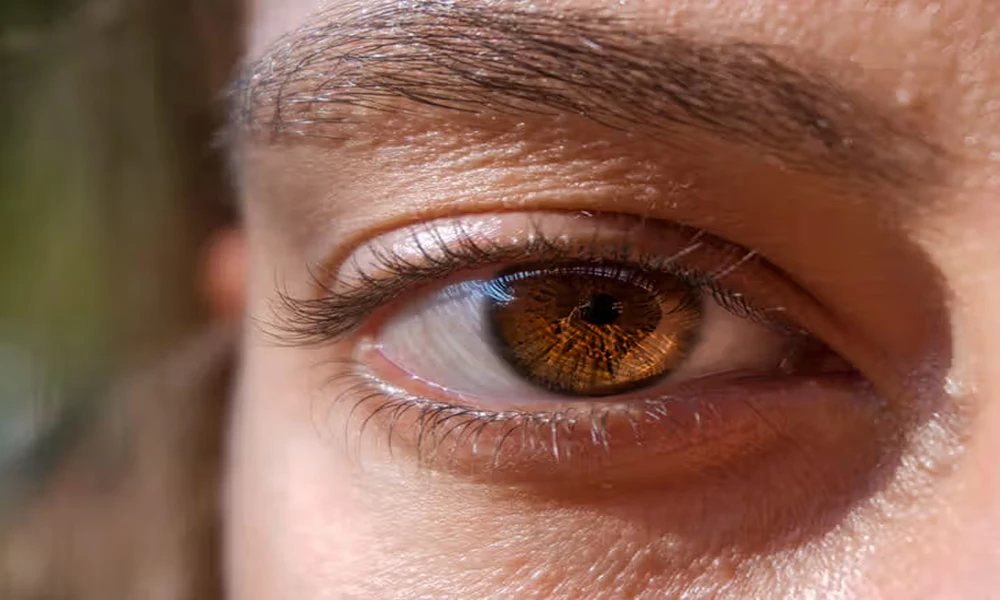
During an eye exam, an eye doctor can look at the retina and the small blood vessels at the back of the eye. These vessels can narrow, leak, or show other changes when blood pressure stays high over time. In more severe cases, there may be swelling of the optic nerve or bleeding in the retina. Those findings do not replace a blood pressure reading, but they can point to a problem that needs prompt medical follow up.
This is one reason eye exams for high blood pressure detection matter. The eye is one of the few places in the body where blood vessels can be seen directly without surgery or invasive testing. That gives the eye doctor a unique window into your overall health.
What hypertension symptoms can show up in your eyes?
Not everyone with high blood pressure has vision changes, and that can create a false sense of safety. Still, some people do notice blurred vision, reduced clarity, eye strain, or spots in their vision. In more advanced situations, blood flow problems can lead to sudden visual symptoms that should never be ignored.
According to MedlinePlus information on hypertensive eye disease, high blood pressure can damage the blood vessels in the retina and lead to vision problems. The National Eye Institute also provides a helpful overview of eye conditions and diseases that can affect sight and signal broader health concerns.
What does that look like in real life? Imagine someone who schedules an eye exam because reading has become harder, or because night driving feels less clear. They expect a new glasses prescription. Instead, the eye doctor sees retinal changes that suggest uncontrolled blood pressure. That one appointment can lead to a primary care visit, treatment, and prevention of more serious harm.
Why does this matter beyond your vision?
It is easy to think of eyesight and blood pressure as separate issues, but they are closely connected. When high blood pressure harms the tiny blood vessels in the eye, it may also be affecting vessels elsewhere in the body. That is why these findings can signal a wider health concern, not just an eye problem.
Hypertension signs in the eyes may suggest that blood vessels have been under strain for some time. If ignored, that strain can raise the risk of stroke, heart disease, and kidney damage. In other words, the eye exam is not only about seeing better. It can be about catching a pattern of damage early enough to change course.
What should you watch for, and when should you get checked?
If you already know you have high blood pressure, regular care with your physician is important, and so are routine visits to an eye doctor. If you do not know your blood pressure status, an eye exam can still be a smart step, especially if you have diabetes, a family history of hypertension, headaches, or changes in vision.
| Situation | What an eye doctor may find | Why it matters |
|---|---|---|
| No symptoms, routine exam | Narrowed retinal blood vessels | May suggest long term blood pressure changes |
| Blurred vision or trouble focusing | Retinal swelling or leakage | Could point to active vessel damage |
| Sudden vision changes | Bleeding, blocked vessels, optic nerve swelling | Needs urgent medical evaluation |
| Known hypertension | Progression or improvement of retinal changes | Helps track how well treatment is working |
This is where a regular eye doctor visit can offer more than many people expect. Even when your main goal is sharper vision, the exam may reveal clues that protect your health in a much broader way.
What can you do right now if this sounds familiar?
1. Schedule a full eye exam.
If it has been a while since your last visit, or if your vision has changed, make an appointment. Be honest about headaches, blurry vision, floaters, or trouble seeing at night. Even details that seem small can matter.
2. Check your blood pressure consistently.
If you have a home monitor, use it as directed and keep a log. If you do not, many pharmacies and clinics offer quick readings. One high number does not tell the whole story, but a pattern of elevated readings should not be brushed aside.
3. Connect the dots with your medical care.
If an eye doctor sees signs that may be linked to hypertension, follow up with your primary care provider soon. Bring your exam findings, ask questions, and make sure both providers know what the other has found. That teamwork can lead to earlier treatment and better protection for your vision and overall health.
Could one eye appointment change more than your prescription?
Yes, it can. Sometimes the clearest warning sign of high blood pressure appears in a place most people do not expect. Your eyes can show damage before other symptoms push you to act, and that makes routine exams far more important than they may seem.
If you have noticed vision changes, if you live with high blood pressure, or if you simply have not had an exam in too long, now is a good time to schedule a visit with an eye doctor. Catching problems early can help protect both your sight and your health.