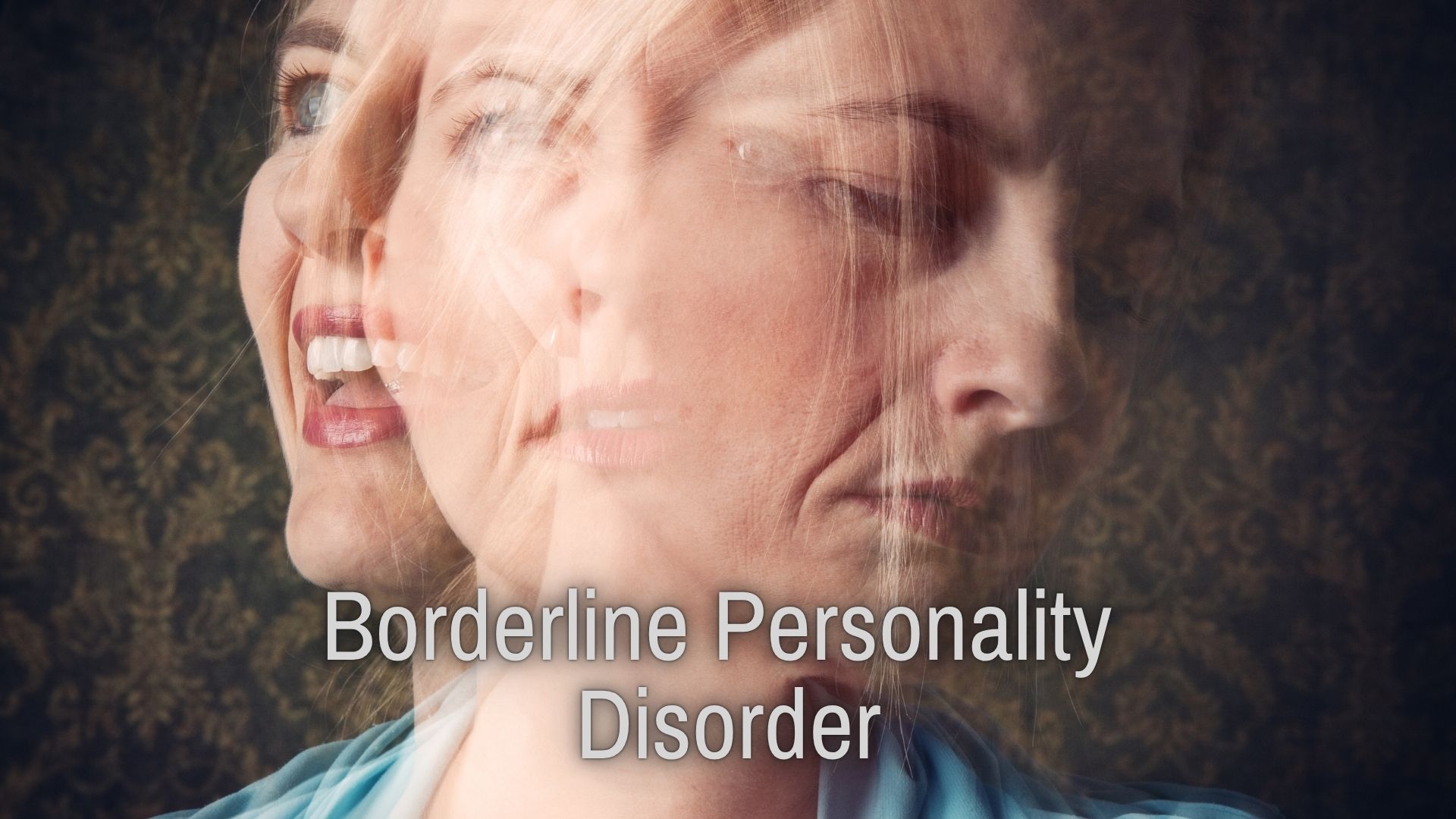
Few diagnoses are as misunderstood as “borderline personality disorder“ (BPD). It is characterized by instability in moods, self-image, and relationships. While historically stigmatized, 2026 clinical perspectives emphasize that BPD is a highly treatable condition, particularly with Dialectical Behavior Therapy (DBT). With the right support, individuals with BPD can achieve “remission,” leading stable, fulfilling lives by learning to regulate intense emotions and build secure attachments.
**The short answer:** Borderline personality disorder (BPD) is a mental health condition characterized by intense emotional swings, unstable relationships, a fragile sense of identity, and a deep fear of abandonment. It affects roughly 1.6-5.9% of the population and responds well to specialized therapy, particularly Dialectical Behavior Therapy (DBT).
—
What BPD Actually Feels Like
The defining experience of BPD isn’t just “mood swings.” It’s more like having your emotional volume turned up to maximum – with no reliable way to turn it down.
People with BPD often describe it as feeling everything more intensely than others do, for longer than others do, and with a slower return to baseline. A perceived rejection that might sting a neurotypical person for an hour can feel catastrophic and last days for someone with BPD.
That emotional intensity drives most of the behaviors associated with the disorder.
—
Core Symptoms
The DSM-5 identifies nine criteria for BPD. A diagnosis requires at least five:
- **Frantic efforts to avoid abandonment** – real or imagined; even brief separations can trigger panic
- **Unstable, intense relationships** – alternating between idealization (“they’re perfect”) and devaluation (“they’re terrible”) – known as splitting
- **Unstable sense of identity** – shifting goals, values, opinions, and self-image
- **Impulsive, self-damaging behavior** – spending, substance use, reckless driving, unsafe sex
- **Recurrent self-harm or suicidal behavior**
- **Extreme emotional mood swings** – lasting hours to days, often triggered by interpersonal stress
- **Chronic feelings of emptiness**
- **Intense, poorly controlled anger**
- **Stress-related paranoia or dissociation**
Not every person with BPD experiences all of these. The disorder presents differently from person to person.
—
BPD vs. Bipolar vs. Depression – Key Differences
These three conditions are frequently confused, even by medical professionals.
| Feature | BPD | Bipolar Disorder | Depression |
|—|—|—|—|
| Mood trigger | Usually interpersonal | Often internal / cyclical | Often internal / ongoing |
| Mood duration | Hours to days | Days to weeks or months | Weeks to months |
| Sense of self | Highly unstable | Generally stable | May feel worthless but stable |
| Relationships | Intensely unstable | Varies by episode | Withdrawal, not instability |
| Impulsivity | Core feature | Present during mania | Rare |
| Fear of abandonment | Central feature | Not a defining feature | Not a defining feature |
The key distinction: BPD mood shifts are almost always tied to what’s happening in relationships. Bipolar episodes often occur independently of external events.
—
What Causes BPD?
No single cause has been identified. Research points to a combination of:
**Genetics** – BPD runs in families; having a first-degree relative with BPD significantly increases risk.
**Trauma and environment** – A large majority of people with BPD report childhood trauma, neglect, or abuse. Invalidating environments – where emotions were consistently dismissed or punished – are strongly linked.
**Brain structure** – Neuroimaging studies show differences in the amygdala (emotional processing) and prefrontal cortex (impulse control and decision-making) in people with BPD.
It’s not one or the other. It’s usually biology meeting environment at a vulnerable time in development.
—
How BPD Is Diagnosed
There’s no blood test or brain scan for BPD. Diagnosis is clinical – a psychiatrist or psychologist conducts a thorough interview, reviews symptom history, and rules out other conditions.
BPD is often misdiagnosed as bipolar disorder, PTSD, or depression – especially early on. A proper evaluation takes time.
If you suspect you or someone close to you has BPD, start with a referral to a psychiatrist or licensed psychologist with experience in personality disorders.
—
Treatment Options
BPD has historically been viewed as difficult to treat. That view is outdated. With the right therapy, significant improvement is achievable – and many people achieve full remission.
| Treatment | What It Is | Effectiveness |
|—|—|—|
| Dialectical Behavior Therapy (DBT) | Skills-based therapy targeting emotional regulation, distress tolerance, interpersonal effectiveness | Gold standard for BPD |
| Mentalization-Based Therapy (MBT) | Focuses on understanding one’s own and others’ mental states | Strong evidence base |
| Schema Therapy | Addresses deep-rooted core beliefs formed in childhood | Effective for long-standing patterns |
| Medication | No drug is FDA-approved specifically for BPD; mood stabilizers or antidepressants may help specific symptoms | Supportive, not curative |
DBT, developed specifically for BPD by Dr. Marsha Linehan (herself a BPD survivor), remains the most researched and most effective treatment available.
—
A Note on Recovery
BPD is not a life sentence. Long-term studies – including the landmark McLean Study of Adult Development – show that over 85% of people with BPD achieve remission within 10 years of treatment. Many recover much faster.
The path isn’t linear, and it requires real work. But the prognosis for BPD, with proper treatment, is genuinely hopeful.
If you’ve just received this diagnosis: you are not your disorder. And you are not alone.