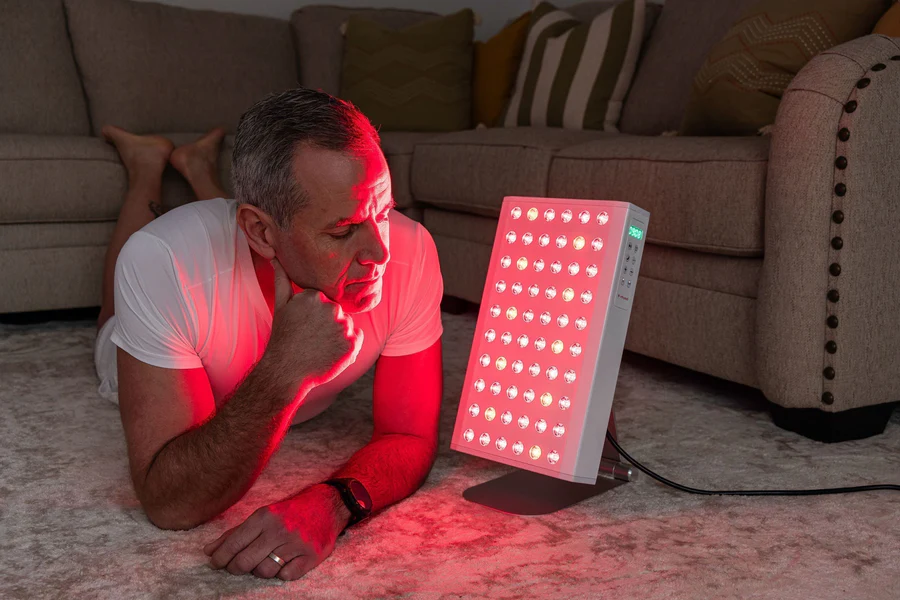
“Red light therapy“ (photobiomodulation) has moved from wellness spas into clinical settings. Thousands of peer-reviewed studies now provide strong evidence for its ability to accelerate wound healing, reduce joint pain in arthritis, and improve skin collagen production. In 2026, home-use panels have become more powerful, but users should ensure they are using the correct wavelengths (typically 660nm and 850nm) to achieve genuine therapeutic results.
**The short answer:** Red light therapy (RLT) uses specific wavelengths of red and near-infrared light to stimulate cellular energy production. It has solid clinical evidence for improving skin health, reducing pain and inflammation, accelerating wound healing, and treating certain types of hair loss. It’s safe, non-invasive, and increasingly accessible at home.
—
How It Actually Works
The mechanism isn’t magic – it’s mitochondria.
Your cells contain mitochondria, which produce energy in the form of ATP (adenosine triphosphate). A specific enzyme in mitochondria – cytochrome c oxidase – absorbs red and near-infrared light wavelengths (roughly 630-850nm) and uses that energy to produce more ATP.
More ATP means cells can repair themselves faster, reduce inflammation more efficiently, and perform their specialized functions more effectively – whether that’s producing collagen, fighting infection, or regenerating hair follicles.
Think of it like charging a battery. Red light gives cells the energy to do what they’re already designed to do, just better and faster.
—
What the Evidence Actually Shows
Not all red light therapy claims are equal. Here’s an honest breakdown:
| Claim | Evidence Level | Notes |
|—|—|—|
| Skin rejuvenation (wrinkles, texture) | Strong | Multiple RCTs show collagen stimulation and improved skin tone |
| Wound healing acceleration | Strong | Used clinically in post-surgical recovery |
| Hair loss (androgenetic alopecia) | Moderate-strong | FDA-cleared devices exist for this indication |
| Joint pain and arthritis | Moderate | Consistent results in knee osteoarthritis studies |
| Muscle recovery after exercise | Moderate | Reduces DOMS and speeds recovery in athletes |
| Seasonal depression / mood | Emerging | Early positive results; more research needed |
| Testosterone boost | Weak | Limited, small studies – not established |
| Fat loss | Weak | Insufficient evidence; don’t buy a device for this reason |
| Dementia / brain health | Very early | Promising but extremely preliminary |
The strongest evidence clusters around skin, wound healing, hair, and musculoskeletal pain.
—
What Red Light Therapy Is Used For
**Skin health** – Stimulates fibroblasts to produce collagen and elastin. Reduces fine lines, improves skin texture, helps with acne scarring. Dermatologists use it clinically; at-home devices are increasingly capable.
**Chronic pain** – Reduces inflammation and increases blood flow in affected tissue. Particularly studied for neck pain, knee pain, and low back pain.
**Hair loss** – FDA-cleared laser caps and panels use red/near-infrared light to stimulate dormant follicles. Works best for early-to-moderate androgenetic alopecia (pattern baldness).
**Wound healing** – Accelerates tissue repair post-surgery or injury. Used in clinical settings for diabetic wounds and post-surgical recovery.
**Muscle recovery** – Used by athletes to reduce soreness and speed return to training. Gaining traction in professional sports contexts.
**Sleep** – Red light (unlike blue light) doesn’t suppress melatonin. Some evidence suggests it may actively improve sleep quality.
—
At-Home Devices vs. Clinical Treatment
| Factor | At-Home Device | Clinical Treatment |
|—|—|—|
| Cost | $100-$1,500 one-time | $50-$200 per session |
| Convenience | High – daily use at home | Requires appointments |
| Power output | Generally lower irradiance | Higher clinical-grade output |
| Best for | Skin maintenance, hair loss, general wellness | Targeted pain, post-surgical healing |
| Consistency | Easier to maintain long-term | Depends on schedule |
For skin and hair, at-home devices – used consistently – produce comparable results to clinical sessions over time. For acute pain management or wound healing, clinical devices often have an edge in power and precision.
—
How to Use Red Light Therapy Safely
Red light therapy has an excellent safety profile with minimal side effects when used correctly.
**Session length:** 10-20 minutes per area. More is not better – beyond a point, excessive exposure can actually reduce benefits (a phenomenon called biphasic dose response).
**Distance:** Most devices are designed for use 6-12 inches from the skin. Follow manufacturer guidelines.
**Frequency:** Most protocols call for 3-5 sessions per week. Daily use is generally safe.
**Eye protection:** Wear protective goggles if treating near the face, especially with near-infrared wavelengths which are invisible to the naked eye.
**Avoid if:** You take photosensitizing medications, have active skin cancer, or are pregnant (insufficient data).
—
Realistic Expectations
Red light therapy is not a fast fix. Most people see noticeable skin improvements in 8-12 weeks of consistent use. Hair loss improvement typically takes 4-6 months.
It works best as part of a broader health approach – not as a replacement for sunscreen, sleep, nutrition, or appropriate medical care.
That said, for what it does well, the evidence is solid enough that calling it a wellness trend undersells it. It’s closer to a clinical tool that’s become consumer-accessible.